



New
New


Sold out


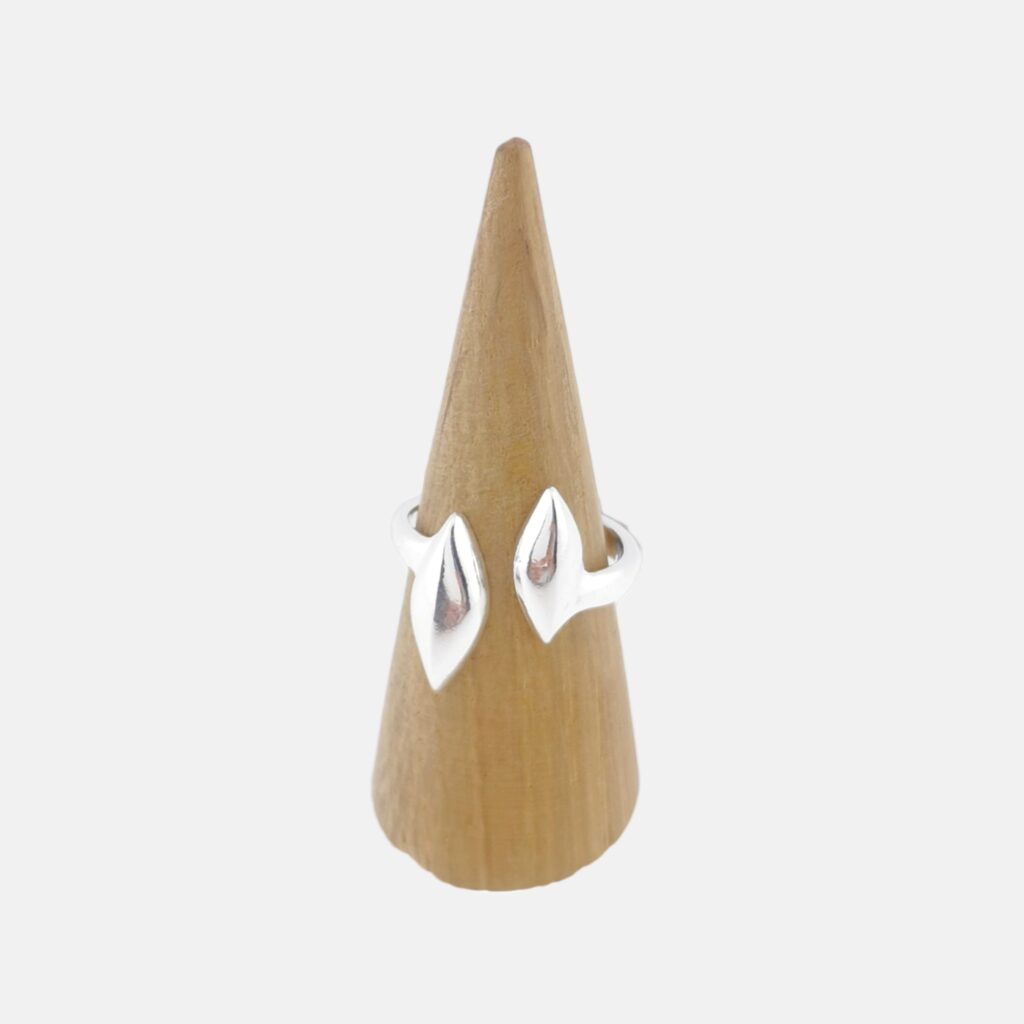
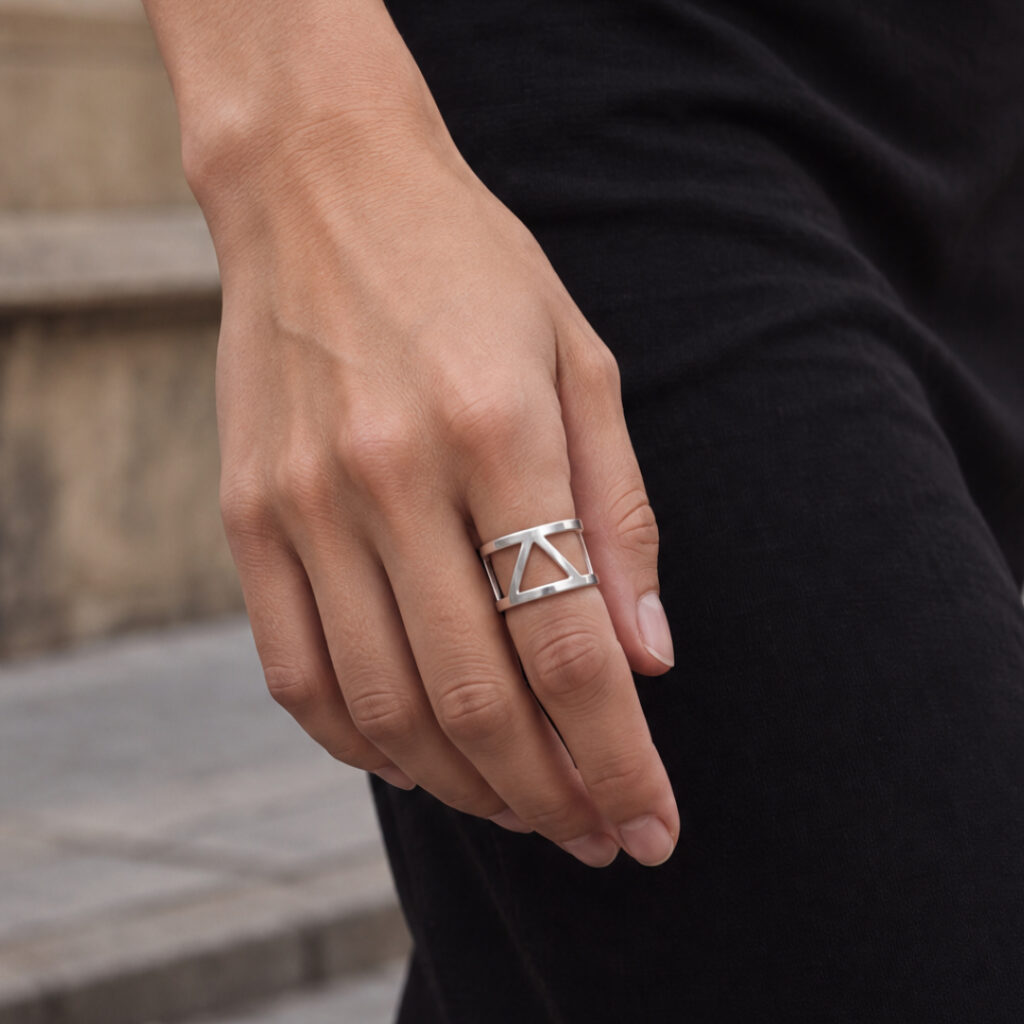
Shiny silver rings
The origins of silver in rings
More than 5,000 years ago, around 4000 B.C., ancient civilizations discovered that the earth hid incredible treasures, one of them being silver, which shone like moonlight.
Silver began to be used because it was the easiest metal to shape and because craftsmen learned how to work with metals. In addition, its natural shine and light color attracted a great deal of attention. In this way, the first shiny silver rings began to be seen as special accessories.
In Egypt and Greece, silver was frequently used to create coins, jewelry, ornaments, and everyday objects. During those times, in certain places, silver was harder to find than gold, so shiny silver rings started to be worn as symbols of wealth and power. Likewise, pharaohs wanted their rings to be polished until they could see their reflection in them as if they were mirrors.
In Mesopotamia, silver was used to pay for services and goods and as a form of exchange, boosting the development of trade.
The craftsmen of those times did not work silver with advanced tools, yet they managed to create truly beautiful pieces and simple rings with great value.
People also believed that the silver color had special powers and that wearing a silver ring would protect them from illness and negative energies.
Shiny silver rings in the Middle Ages
Later, with the arrival of the Middle Ages, the way rings were made changed radically. Craftsmen mixed silver with other metals to make it more durable and stronger. As a result, shiny silver rings became more elegant and delicate without the fear of breaking.
Ancient jewelers began embedding transparent and white precious stones and small pieces of crystal into silver so that it would shine even more in sunlight. In fact, they carved the stones with many flat surfaces so that sunlight would bounce off the silver, creating a radiant effect.
Likewise, silver continued to be one of the most appreciated metals among craftsmen of that era, not only because of its unmatched shine, but also because it was more affordable than other more expensive metals.
Silver became a popular material for religious celebrations and weddings. Shiny silver rings were designed with engravings representing eternal love. However, over the years, silver tends to darken and remained difficult to maintain. Therefore, jewelry had to be continuously cleaned with mineral salts or vinegar to restore its shine.
Later on, shiny silver rings began to be used as gifts for friends and family, gaining a more personal value and a closer meaning.