


Silver braceletsÂ
The origin of bracelets, the first glimmers
Bracelets are truly one of the oldest forms of jewelry in existence. Examples have been discovered dating back to the Neolithic period (around 10,000 years ago), crafted from a variety of materials such as shells, perforated stones, bone, wood, or vegetable fibers, primarily for the purpose of personal adornment.
It was only during the Bronze Age that humans began to work with metals to create more elaborate jewelry and ornaments using bronze, copper, and gold. In that era, these metallic bracelets were significant symbols of power, status, and wealth.
It was also believed that silver bracelets possessed magical powers, protecting their wearers from evil spirits and potential illnesses.
Bracelets in ancient civilizations
In ancient civilizations, bracelets held an important symbolic meaning. For instance, in Ancient Egypt, bracelets were associated with protection and fertility. Egyptian women wore both silver bracelets and gold bracelets to attract prosperity and good fortune.
In Ancient Greece, silver plated bracelets were a symbol of elegance and beauty, worn by women to enhance their figures. Conversely, in Ancient Rome, these bracelets were a sign of social status; Roman men wore gold bracelets to display their wealth and power.
During this time, artisans were highly skilled. They created unique, detailed pieces, utilizing the distinct luster of silver to capture attention.
These silver bracelets didn’t merely adorn the wrists of the aristocracy; they were also regarded as protective amulets, creating a powerful link between the spiritual and the aesthetic.
The revival of silver bracelets in the Middle Ages
Over time, silver plated bracelets evolved and adapted to changing beliefs and trends.
During the Middle Ages, craftsmanship reached its peak, with goldsmiths dedicated to perfecting design and engraving techniques.
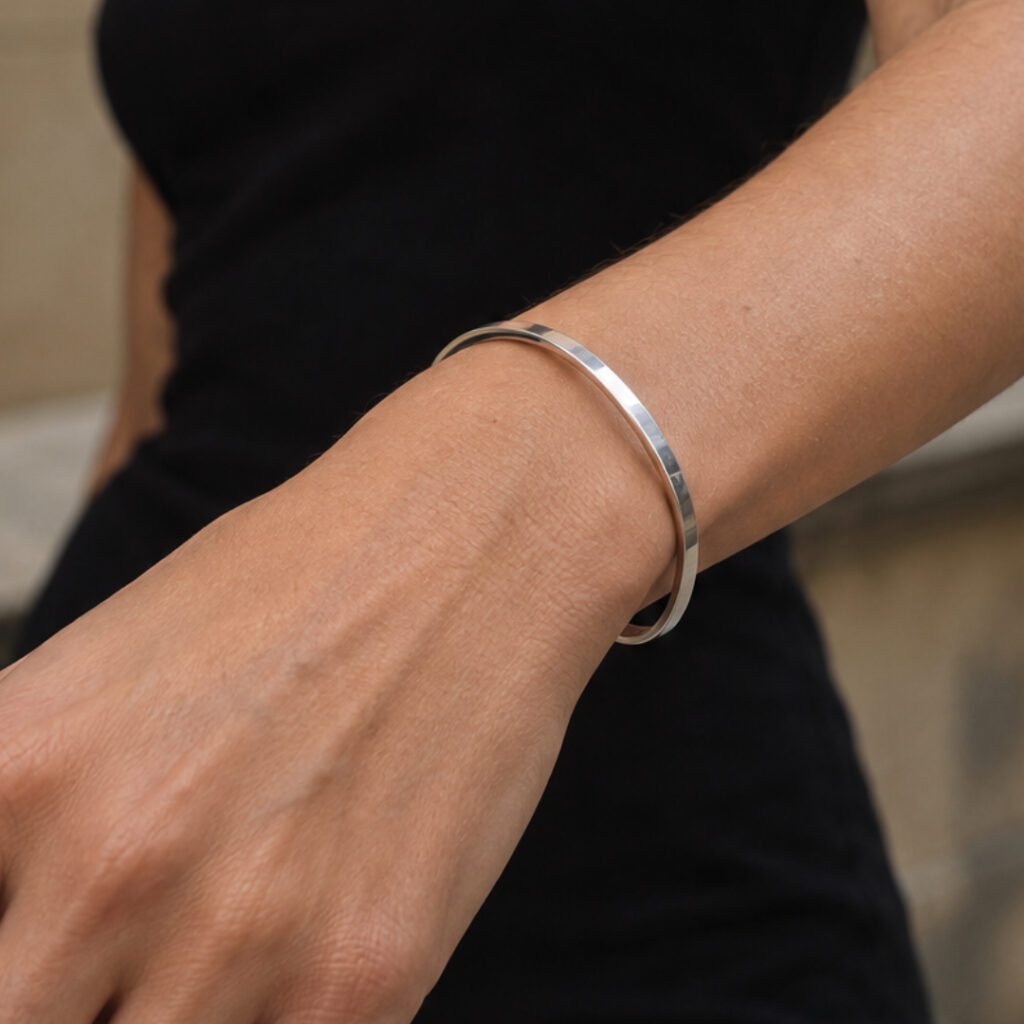
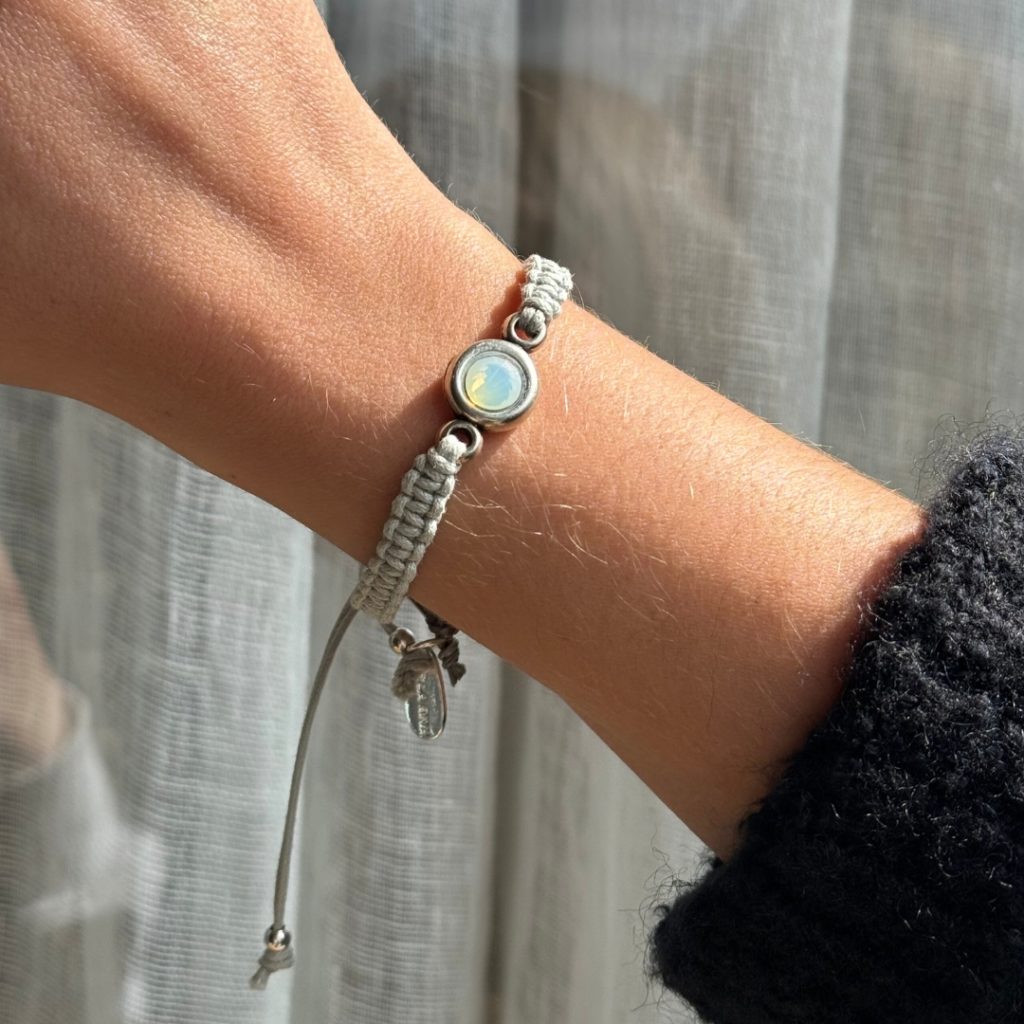
These bracelets became a common accessory worn by women and men of all social classes to accompany their attire. There was a wide variety of designs, ranging from simple, solid silver bracelets to those featuring precious stone inlays.
Noblewomen used the bracelets to adorn their wrists, while men wore them to showcase their social status or as protective talismans.
In this period, these pieces of jewelry took on a deeper meaning. They became gifts of friendship and love, often engraved with symbols and inscriptions that conveyed secret messages.
Bracelet RPu00220-PB
Bracelet RPu00243-PM
Necklace RPu00240-PM
Bracelet RPu00232-PM
Bracelet RPu00180-PV
Bracelet RPu00125-PM
Bracelet RPu00013-PV
Silver braceletsÂ
The origin of bracelets, the first glimmers
Bracelets are truly one of the oldest forms of jewelry in existence. Examples have been discovered dating back to the Neolithic period (around 10,000 years ago), crafted from a variety of materials such as shells, perforated stones, bone, wood, or vegetable fibers, primarily for the purpose of personal adornment.
It was only during the Bronze Age that humans began to work with metals to create more elaborate jewelry and ornaments using bronze, copper, and gold. In that era, these metallic bracelets were significant symbols of power, status, and wealth.
It was also believed that silver bracelets possessed magical powers, protecting their wearers from evil spirits and potential illnesses.
Bracelets in ancient civilizations
In ancient civilizations, bracelets held an important symbolic meaning. For instance, in Ancient Egypt, bracelets were associated with protection and fertility. Egyptian women wore both silver bracelets and gold bracelets to attract prosperity and good fortune.
In Ancient Greece, silver plated bracelets were a symbol of elegance and beauty, worn by women to enhance their figures. Conversely, in Ancient Rome, these bracelets were a sign of social status; Roman men wore gold bracelets to display their wealth and power.
During this time, artisans were highly skilled. They created unique, detailed pieces, utilizing the distinct luster of silver to capture attention.
These silver bracelets didn’t merely adorn the wrists of the aristocracy; they were also regarded as protective amulets, creating a powerful link between the spiritual and the aesthetic.
The revival of silver bracelets in the Middle Ages
Over time, silver plated bracelets evolved and adapted to changing beliefs and trends.
During the Middle Ages, craftsmanship reached its peak, with goldsmiths dedicated to perfecting design and engraving techniques.
These bracelets became a common accessory worn by women and men of all social classes to accompany their attire. There was a wide variety of designs, ranging from simple, solid silver bracelets to those featuring precious stone inlays.
Noblewomen used the bracelets to adorn their wrists, while men wore them to showcase their social status or as protective talismans.
In this period, these pieces of jewelry took on a deeper meaning. They became gifts of friendship and love, often engraved with symbols and inscriptions that conveyed secret messages.