


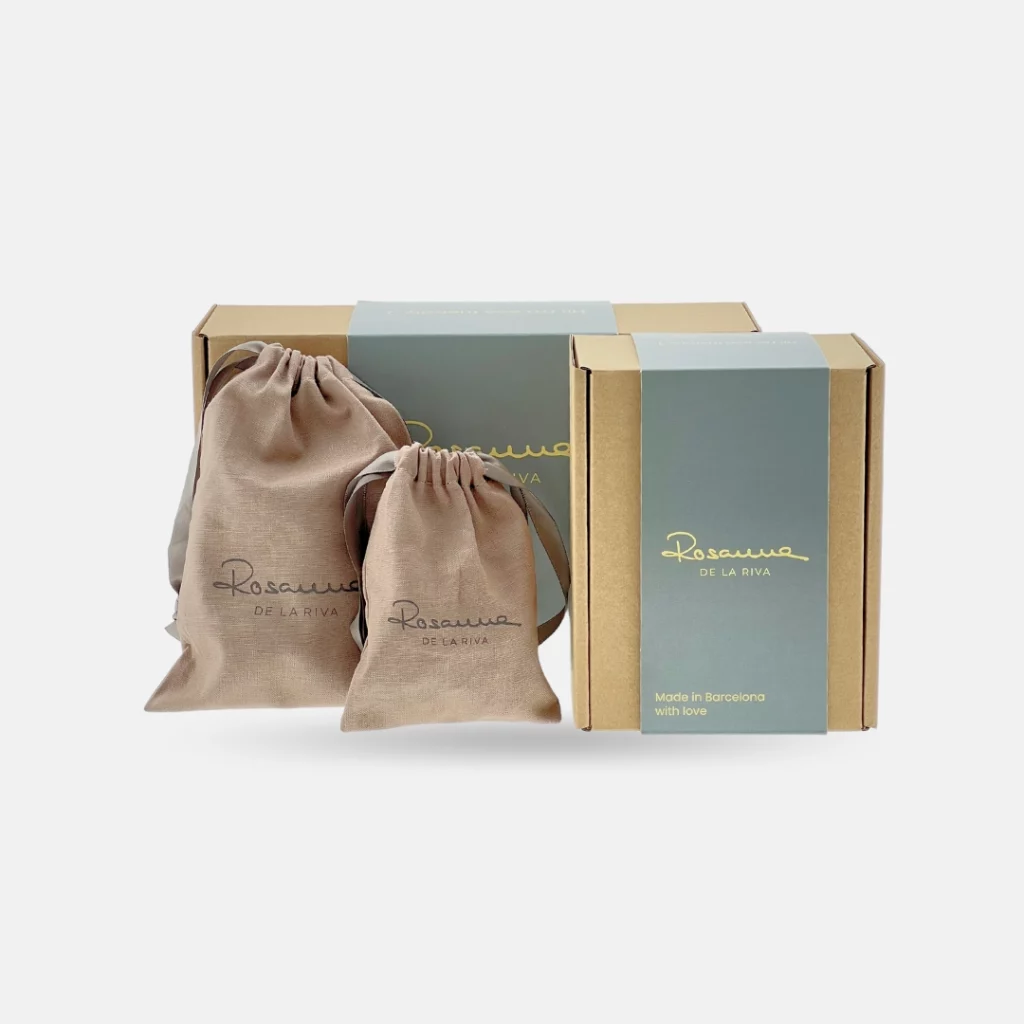
Bracelet RPu00220-PB
Select options
This product has multiple variants. The options may be chosen on the product page


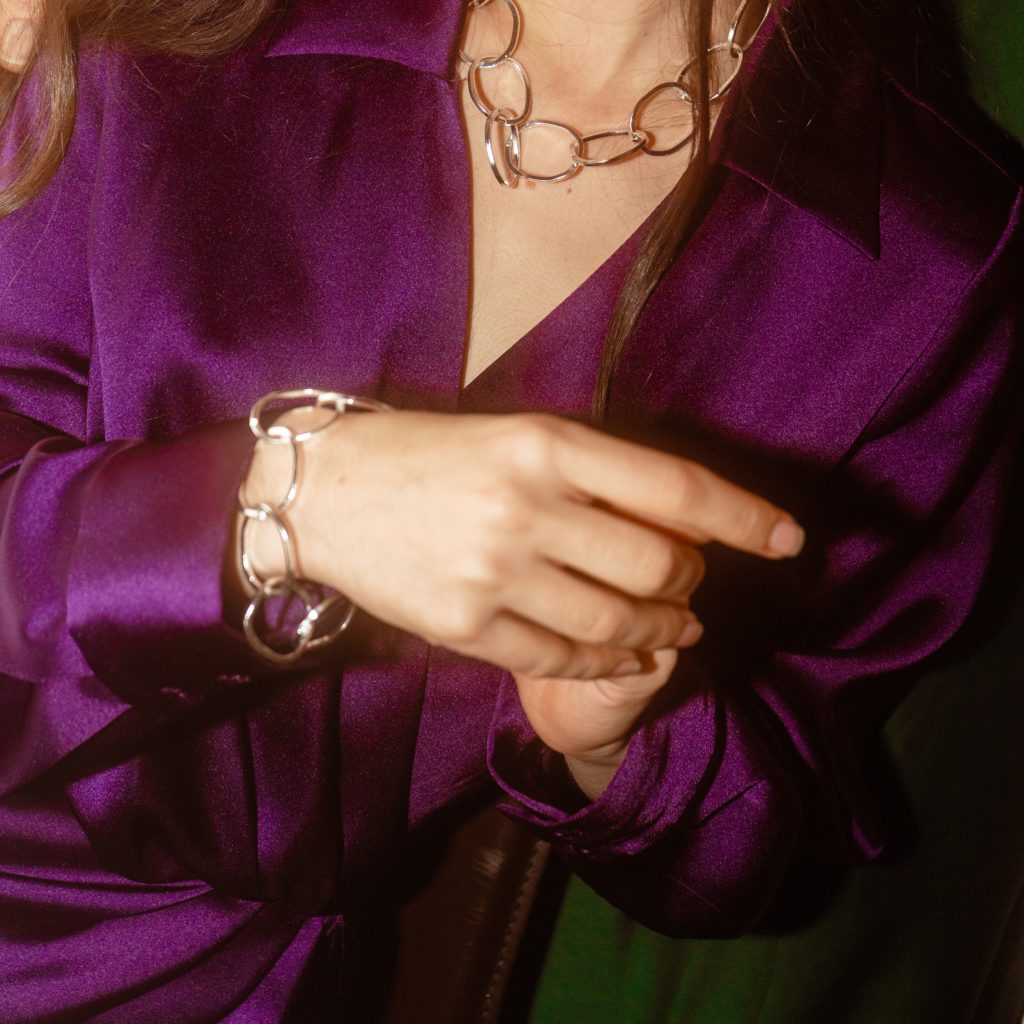
Shiny silver bracelets
When metal became jewelry
Silver was not the first metal to dominate the world of jewellery or to be used in the creation of shiny silver bracelets. Gold, being easier to find and work with, played a leading role in most ancient cultures.
But silver had a very special quality: its cool, lunar shine, so different from the warm, sunlit glow of gold. Silver evokes the magic of the night and has often been associated with feminine deities.
Early jewellers soon realised that by rubbing and polishing the surface of their bracelets, even when working with alloyed or imperfect silver, they could create a reflective finish. In shiny silver bracelets, this brightness became the mark of careful craftsmanship and a visible proof of the artisan’s skill.
A matte bracelet was simply an object made of metal. A polished bracelet, on the other hand, was a piece that played with the light. This idea of polishing metal to reveal its shine is still very much present today.
Ancient Egypt and the splendour of shiny silver bracelets
The great ancient civilisations were among the first to perfect the art of silver metalwork and, with it, to create pieces very similar to what we now recognise as shiny silver bracelets.
Although gold was considered the metal of the gods and the Sun, silver was rarer and even more valuable than gold in Ancient Egypt. It was believed to be connected to the bones of the gods, which made it an especially precious material. For this reason, shiny silver bracelets were mainly worn by people of high status. These bracelets tended to have simple shapes, but they were always carefully crafted. And while their polished finish was not as intense as the shine we can achieve today, artisans were already working the surface of the silver to reflect its distinctive light.
At the time, bracelets, known as menfet, were widely worn. Egyptians believed jewellery had protective powers, which is why many pieces included amulets such as the scarab or the Eye of Horus.
Shiny silver bracelets were polished vigorously so they could reflect the sunlight and create a dazzling glow. To achieve this, artisans used pastes made with fine sand or volcanic ash, together with leather or cloth. The silver was rubbed repeatedly until it reached a mirror-like finish. It was a labour-intensive process, but one that greatly increased the value of the piece.