Bracelets - Chains

Chain bracelets

Chain bracelets in Ancient Egypt

The use of bracelets dates back thousands of years. Although not all early bracelets were made of chains, they featured similar elements, such as small parts joined together to form a flexible piece.
The earliest civilizations were already creating adornments, such as chain bracelets or bangles, to beautify the body. In Ancient Egypt, both women and men wore bracelets—some made of braided leather and others crafted from metals such as bronze or gold—and they were decorated with beads or colored stones. They also featured symbols such as sacred animals, the Eye of Horus, or the scarab, all of which carried special meanings.
The egyptians placed great value on symbolism and spirituality, so chain bracelets were not worn solely for adornment. Wearing jewelry was a way to honor the gods and to protect oneself from evil spirits; therefore, jewelry was worn in life and in death. For this reason, many people were buried with their rings, necklaces, and chain bracelets so they could use them in the afterlife.
Although the egyptians used simple tools, they possessed great skill in metalworking. As a result, the earliest chain bracelets were made from small, handmade links joined together one by one. Fine chains began to flourish in the form of chain bracelets and necklaces. They could be thick or delicate, depending on who wore them.
While jewelry was worn across all social classes, the most elaborate pieces were reserved for the elite. Nobles, pharaohs, priests, and high officials wore chain bracelets made of precious stones or gold. These designs were a sign of wealth, but they also expressed respect for the order of the universe and the gods.
However, poorer citizens wore simpler bracelets made from shells, clay beads, or less valuable metals, which could be part of special gifts or amulets.
Artisans also combined stones such as lapis lazuli, turquoise, or carnelian—known for their bright colors—with beads in their creations. These stones were highly valued, as they were believed to possess special powers. Lapis lazuli, for example, represented the sky and was thought to bring wisdom.
Chain bracelets were not always entirely metallic. Some combined braided linen, metals with leather, or plant fibers, creating highly decorative pieces that were flexible, comfortable to wear, and had a sense of movement.

Bracelet RPu00325-DM

24,00 €

CARACTERÍSTICAS:
Pulsera de acabado dorado mate realizada en latón, formada por una cadena de eslabones circulares que le aporta un aire moderno y versátil. Un diseño sencillo y elegante, perfecto para llevar solo o combinar con otras pulseras.

  • Acabado: Dorado mate
  • Material: Latón
  • Medida: 18 cm + 3 cm de extensión
  • Presentación: Bolsa de algodón de Rosanna de la Riva

Bracelet RPu00323-BBM

38,00 €

CARACTERÍSTICAS:
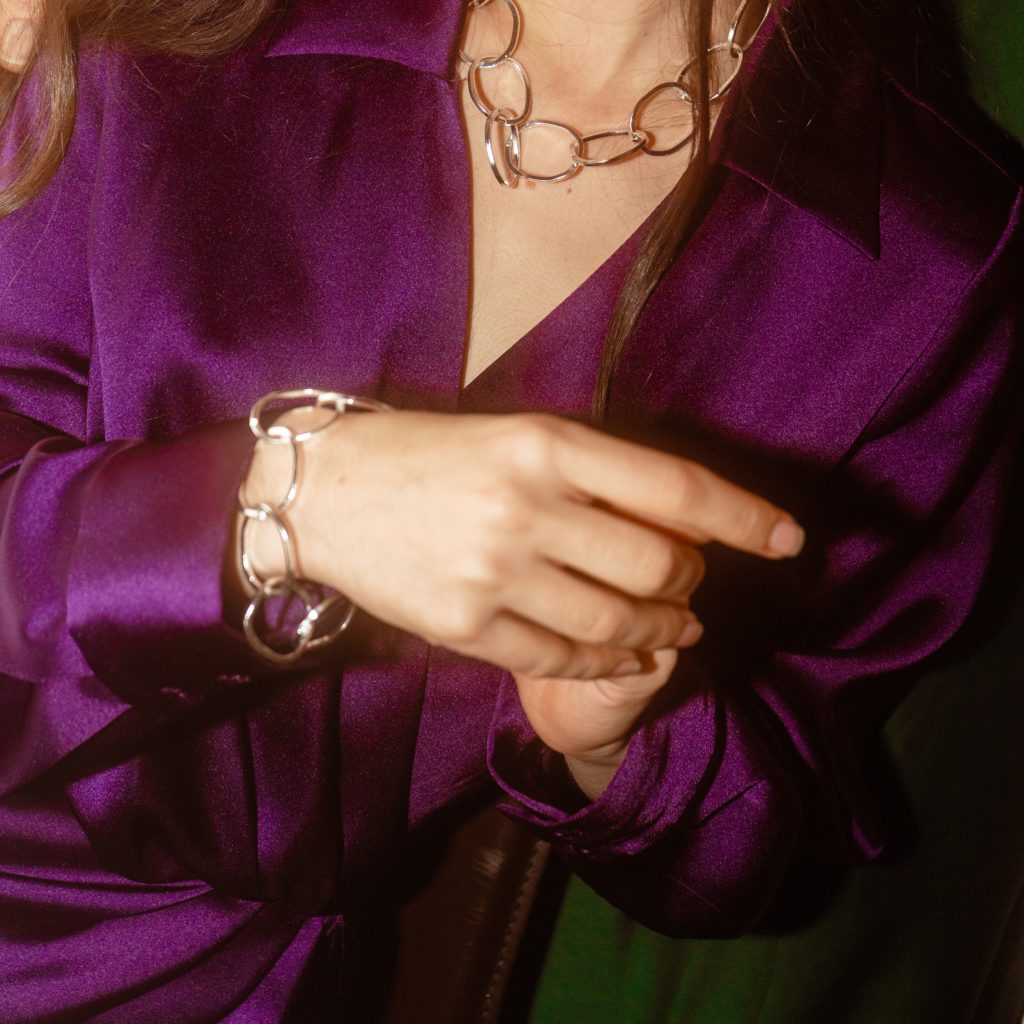
Pulsera de eslabones grandes con acabado bronce blanco mate. Su diseño combina aros planos y piezas tubulares, creando una estructura geométrica de líneas limpias y volumen marcado. Una pieza contemporánea y con carácter, ideal para llevar sola como protagonista.

  • Acabado: Bronce blanco mate
  • Material: Latón
  • Medida: 17 cm
  • Cierre: Mosquetón
  • Presentación: Bolsa de algodón de Rosanna de la Riva

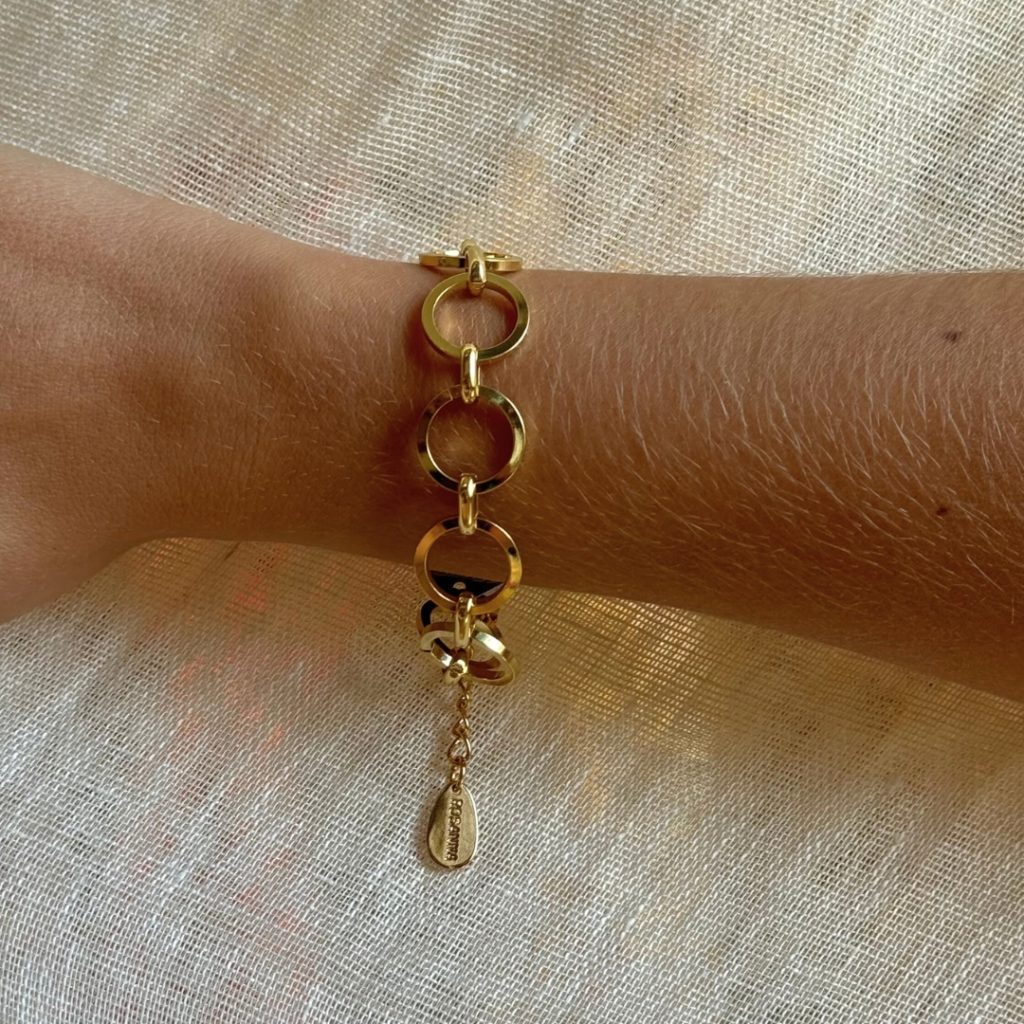
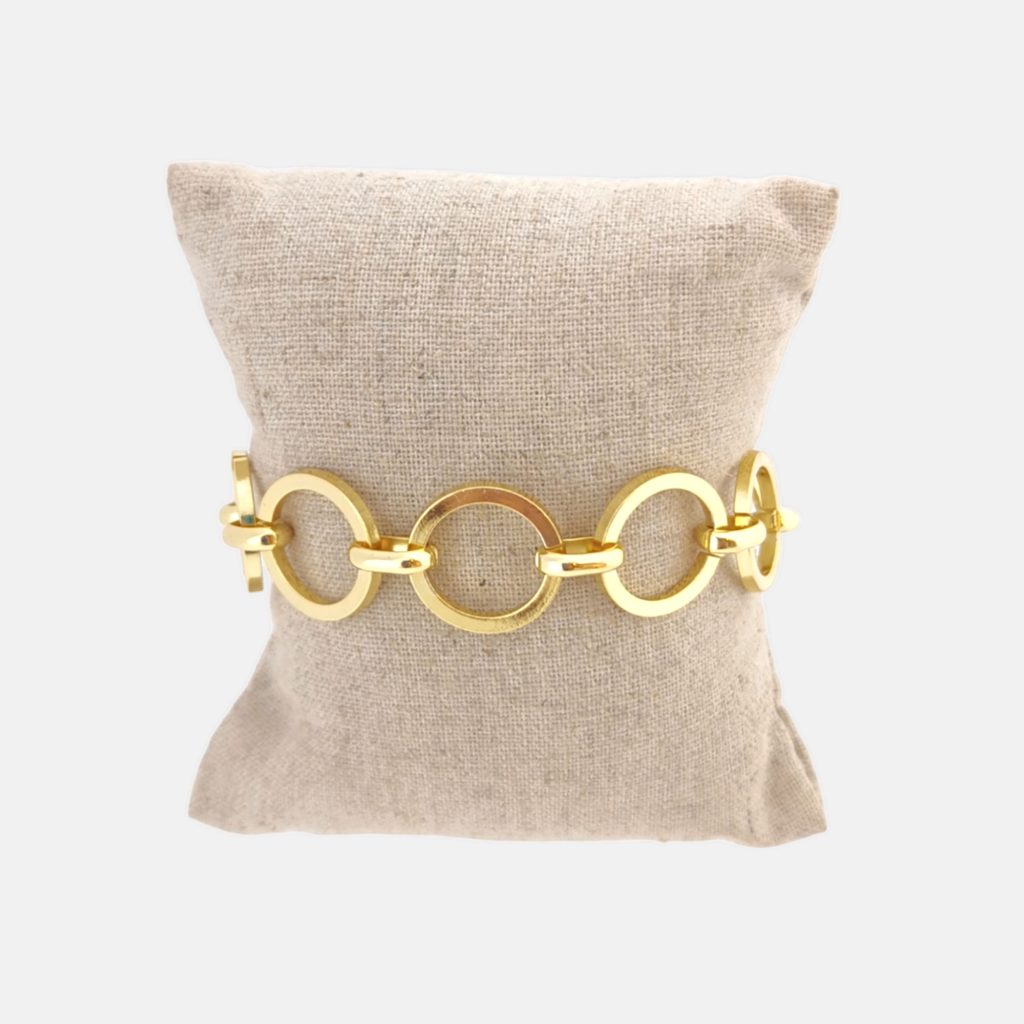
Bracelet RPu00323-DM

38,00 €

CARACTERÍSTICAS:
Pulsera de eslabones grandes con acabado dorado mate. Su diseño combina aros planos y piezas tubulares, creando una estructura geométrica con volumen y un acabado suave de inspiración contemporánea. Una pieza con presencia, ideal para llevar sola como protagonista.

  • Acabado: Dorado mate
  • Material: Latón
  • Medida: 17 cm
  • Cierre: Mosquetón
  • Presentación: Bolsa de algodón de Rosanna de la Riva

Bracelet RPu00322-BBM

30,00 €

CARACTERÍSTICAS:
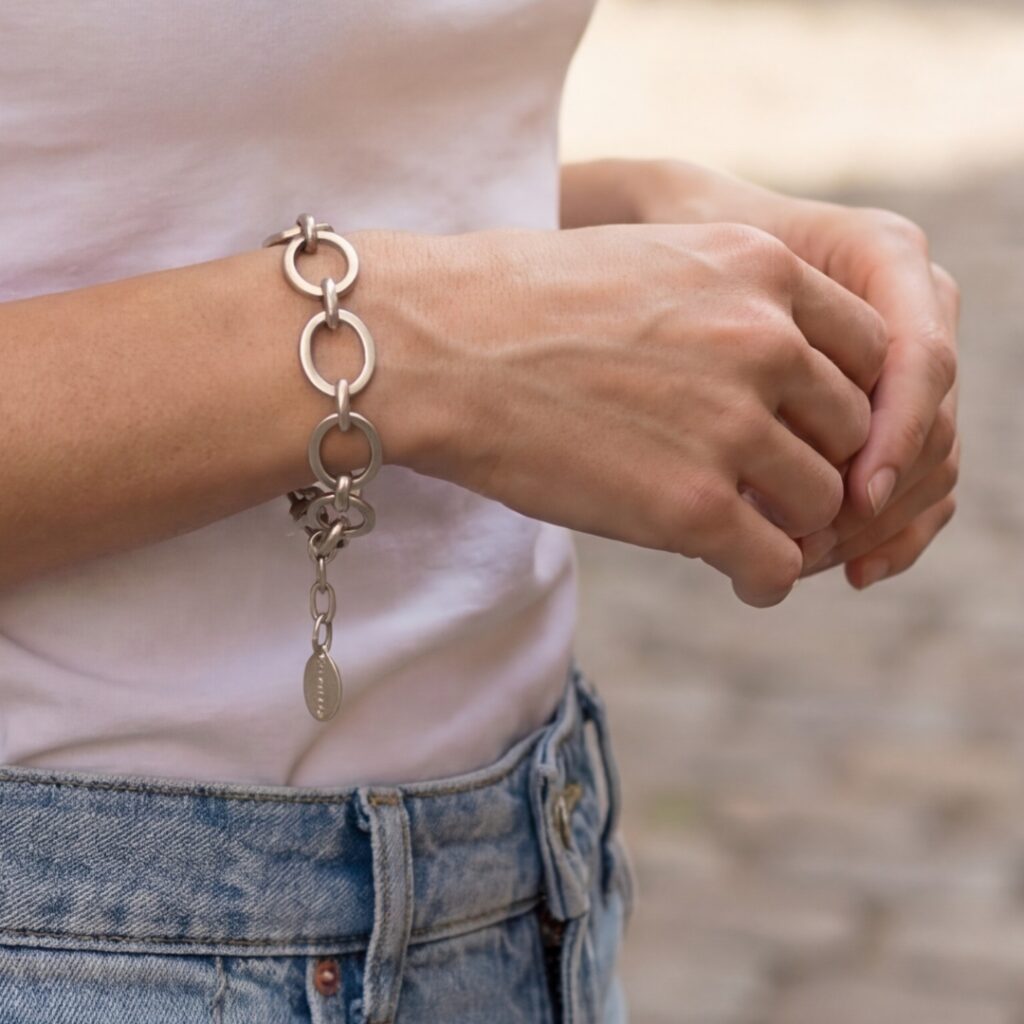
Pulsera de eslabones redondeados con acabado bronce blanco mate. Un diseño de volumen equilibrado y líneas limpias, con un aire contemporáneo y fácil de combinar. Perfecta para llevar sola o junto a otras pulseras.

  • Acabado: Bronce blanco mate
  • Material: Latón
  • Medida: 17 cm + cadena extensible
  • Cierre: Mosquetón
  • Presentación: Bolsa de algodón de Rosanna de la Riva

Bracelet RPu00322-DB

30,00 €

CARACTERÍSTICAS:
Pulsera de eslabones redondeados con acabado dorado brillo. Un diseño con volumen y presencia, pero fácil de llevar, que aporta un toque pulido y actual a la muñeca. Ideal para combinar con otras pulseras o llevar sola como pieza principal.

  • Acabado: Dorado brillo
  • Material: Latón
  • Medida: 17 cm + cadena extensible
  • Cierre: Mosquetón
  • Presentación: Bolsa de algodón de Rosanna de la Riva

Bracelet RPu00302-DB

20,00 €

CARACTERÍSTICAS:
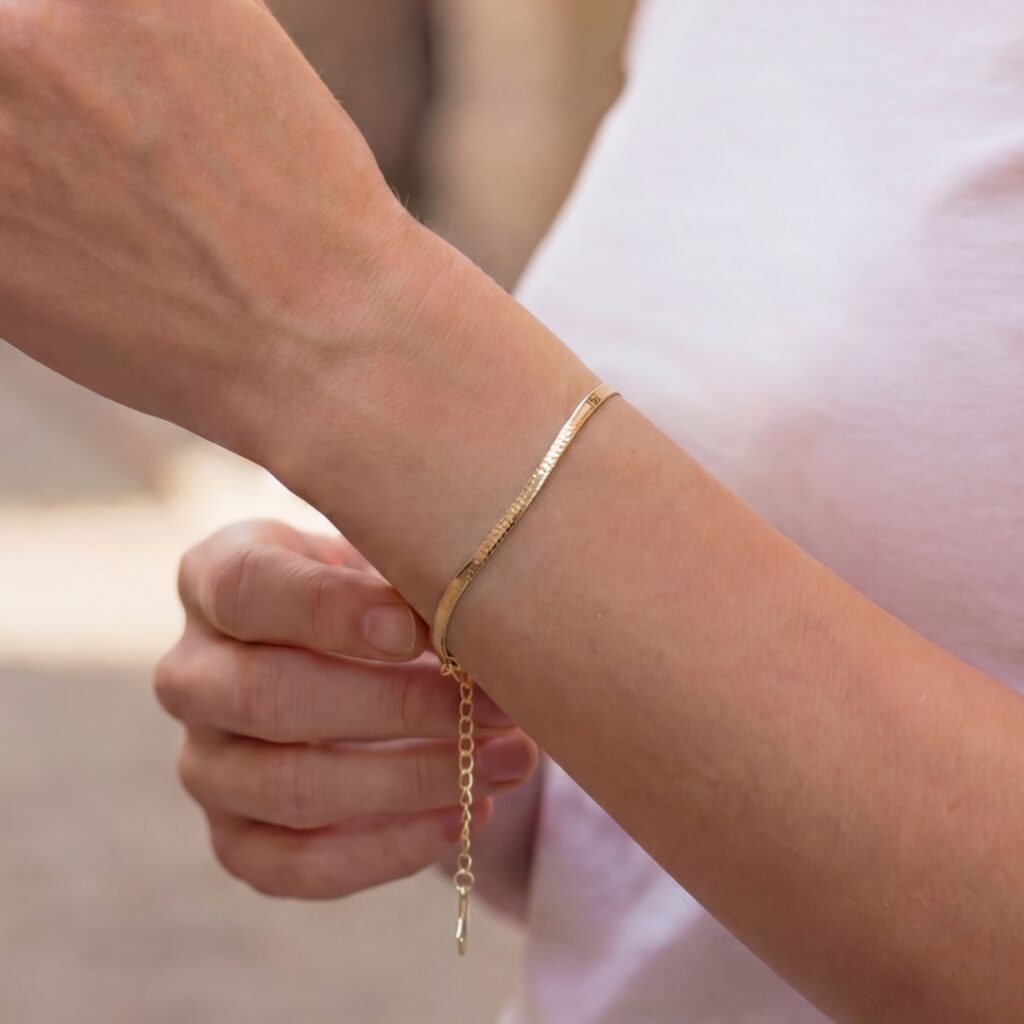
Pulsera clásica y atemporal confeccionada con una cadena de eslabones planos entrelazados de estructura compacta. Un diseño de estética minimalista y elegante que destaca por cómo se adapta a la muñeca de forma fluida. Una pieza sumamente versátil, ideal tanto para llevar sola como combinada con otras pulseras, creada en nuestro taller de Barcelona.

  • Acabado: Baño de oro brillo
  • Diámetro: 6 cm
  • Cierre: Mosquetón
  • Ajustable: No
  • Presentación: Bolsa de algodón de Rosanna de la Riva

Bracelet RPu00295-BBB

29,00 €

CARACTERÍSTICAS:
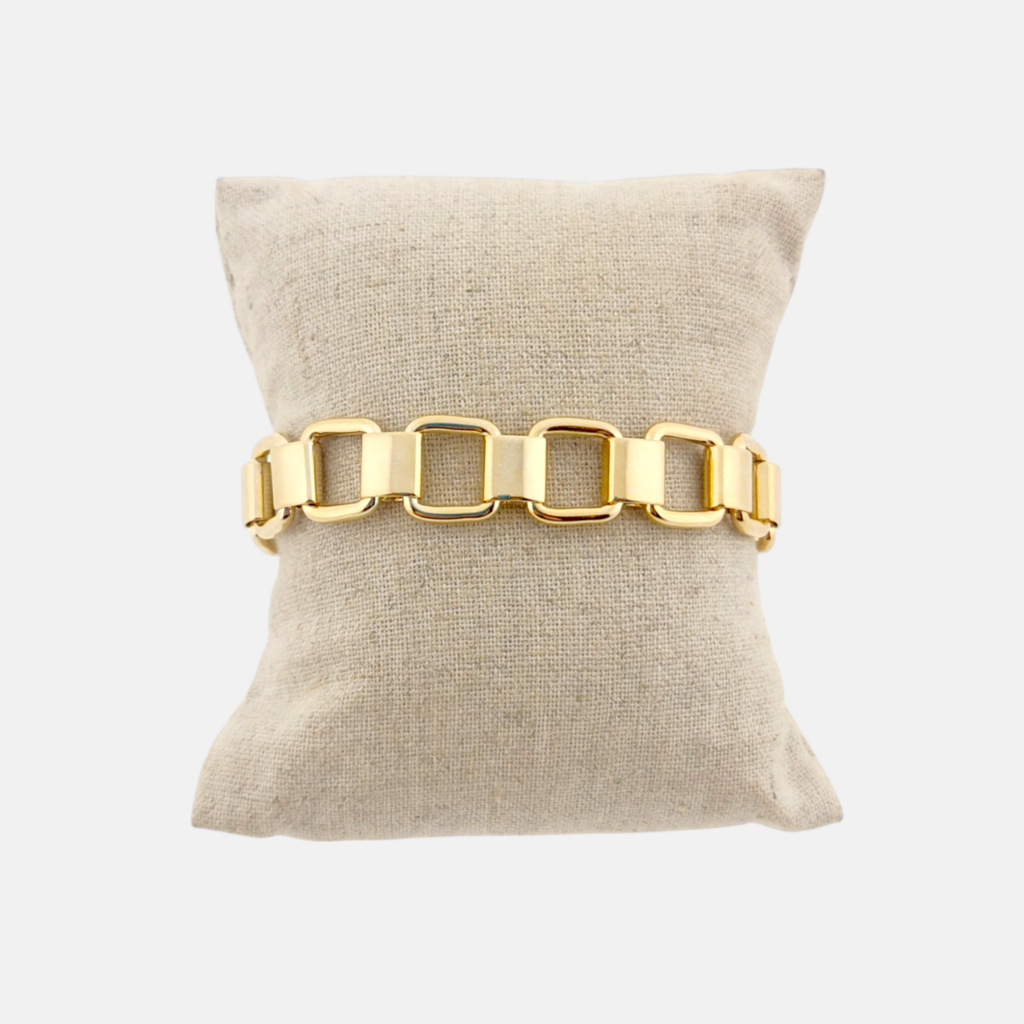
Pulsera de cadena ancha formada por la unión de eslabones cuadrados y rectangulares de líneas depuradas.

  • Acabado:  Baño de bronce blanco brillo
  • Otros materiales: Latón
  • Largo: 18cm
  • Cierre: Pestaña
  • Ajustable: No
  • Presentación: Bolsa de algodón de Rosanna de la Riva

Bracelet RPu00295-DB

29,00 €

CARACTERÍSTICAS:
Pulsera de cadena ancha formada por la unión de eslabones cuadrados y rectangulares de líneas depuradas.

  • Acabado:  Baño de oro brillo
  • Otros materiales: Latón
  • Largo: 18cm
  • Cierre: Mosquetón
  • Ajustable: No
  • Presentación: Bolsa de algodón de Rosanna de la Riva

Bracelet RPu00294-BBM

29,00 €

CARACTERÍSTICAS:
Pulsera compuesta por una cadena de eslabones ovalados de trazo grueso y acabado matizado.

  • Acabado: Baño de bronce blanco mate
  • Otros materiales: Latón
  • Diámetro: 6cm
  • Cierre: Mosquetón
  • Ajustable: No
  • Presentación: Bolsa de algodón de Rosanna de la Riva

Bracelet RPu00120-DM

27,00 €

Características:

  • Origen: Hecho en España
  • Acabado: Baño de oro mate, 18k
  • Material antialergénico
  • Longitud: 17-20 cm
  • Cierre: Mosquetón
  • Presentación: Bolsa de algodón de Rosanna de la Riva

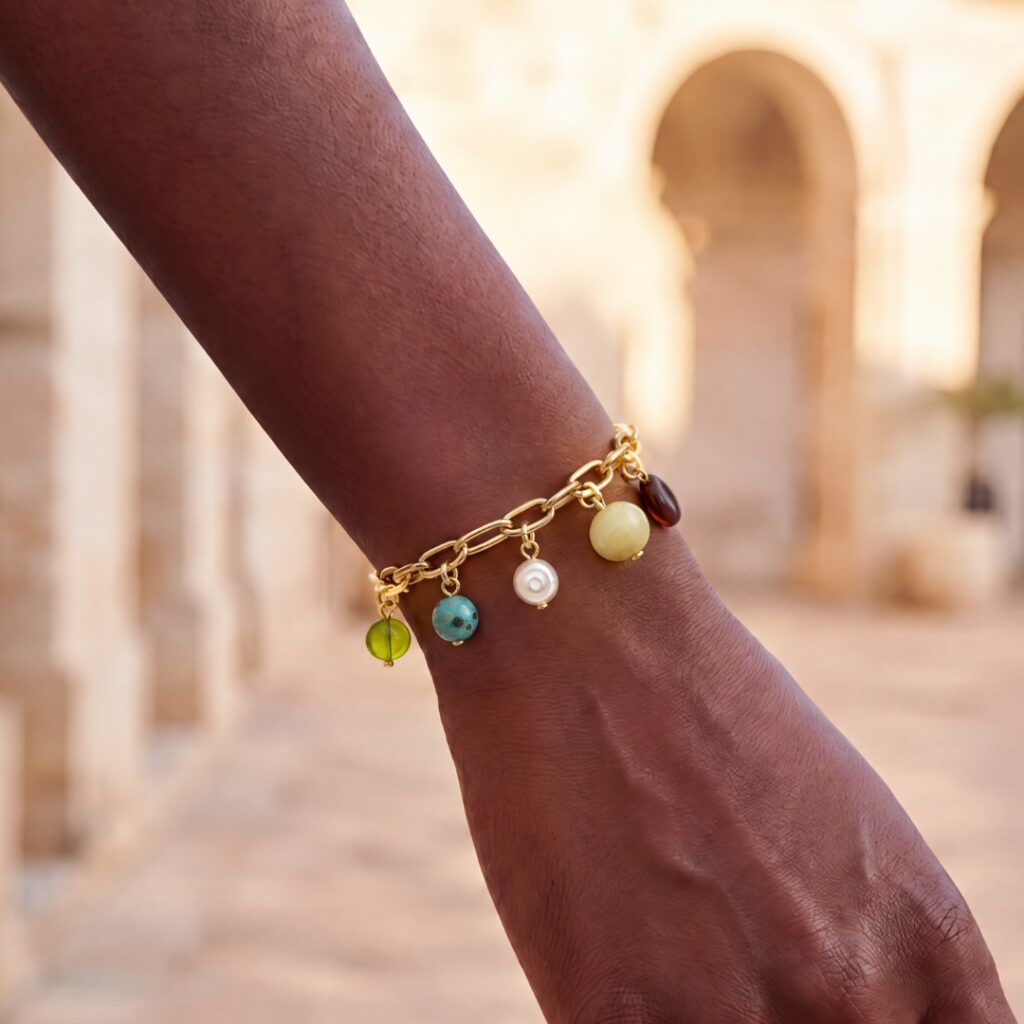
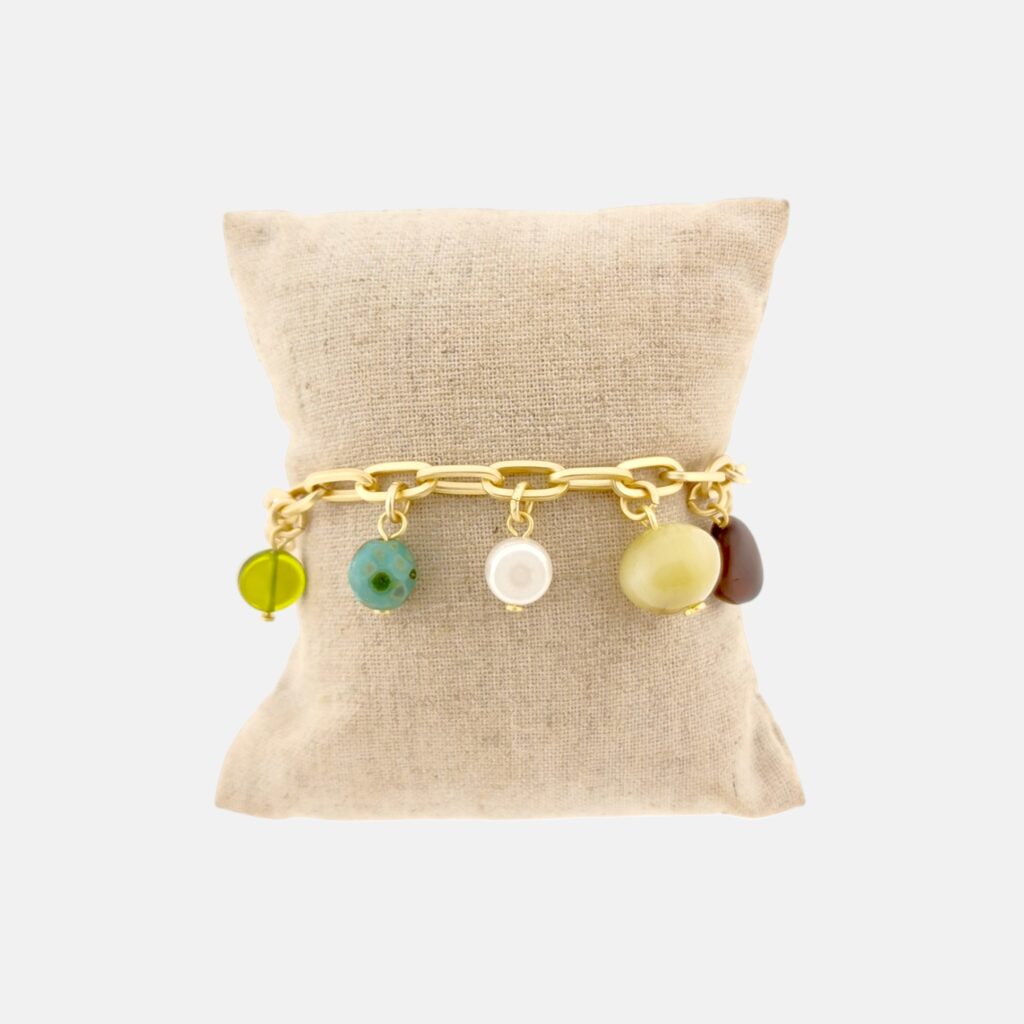
Bracelet RPu00119-DB

30,00 €

Features:

  • Origin: Made in Spain
  • Coating: Gold plated, 18k
  • Size: 21 cm max.
  • Presentation: Rosanna de la Riva cotton bag

Bracelet RPu00077-PB

26,00 €
  • Made in Spain
  • Coating: Silver plated
  • Length (from end to end): 19,5-23 cm
  • Clasp: Lobster
  • Presentation: Rosanna de la Riva cotton bag

Chain bracelets

Chain bracelets in Ancient Egypt

The use of bracelets dates back thousands of years. Although not all early bracelets were made of chains, they featured similar elements, such as small parts joined together to form a flexible piece.
The earliest civilizations were already creating adornments, such as chain bracelets or bangles, to beautify the body. In Ancient Egypt, both women and men wore bracelets—some made of braided leather and others crafted from metals such as bronze or gold—and they were decorated with beads or colored stones. They also featured symbols such as sacred animals, the Eye of Horus, or the scarab, all of which carried special meanings.
The egyptians placed great value on symbolism and spirituality, so chain bracelets were not worn solely for adornment. Wearing jewelry was a way to honor the gods and to protect oneself from evil spirits; therefore, jewelry was worn in life and in death. For this reason, many people were buried with their rings, necklaces, and chain bracelets so they could use them in the afterlife.
Although the egyptians used simple tools, they possessed great skill in metalworking. As a result, the earliest chain bracelets were made from small, handmade links joined together one by one. Fine chains began to flourish in the form of chain bracelets and necklaces. They could be thick or delicate, depending on who wore them.
While jewelry was worn across all social classes, the most elaborate pieces were reserved for the elite. Nobles, pharaohs, priests, and high officials wore chain bracelets made of precious stones or gold. These designs were a sign of wealth, but they also expressed respect for the order of the universe and the gods.
However, poorer citizens wore simpler bracelets made from shells, clay beads, or less valuable metals, which could be part of special gifts or amulets.
Artisans also combined stones such as lapis lazuli, turquoise, or carnelian—known for their bright colors—with beads in their creations. These stones were highly valued, as they were believed to possess special powers. Lapis lazuli, for example, represented the sky and was thought to bring wisdom.
Chain bracelets were not always entirely metallic. Some combined braided linen, metals with leather, or plant fibers, creating highly decorative pieces that were flexible, comfortable to wear, and had a sense of movement.